How Cordless Automotive Tools Improve Car Maintenance Efficiency?
Car maintenance requires more than technical knowledge. Mechanics and vehicle owners also need tools that allow them to complete repair and maintenance tasks efficiently, accurately, and comfortably. As automotive technology continues to evolve, cordless automotive tools have become increasingly useful in professional workshops, garages, and mobile repair environments.
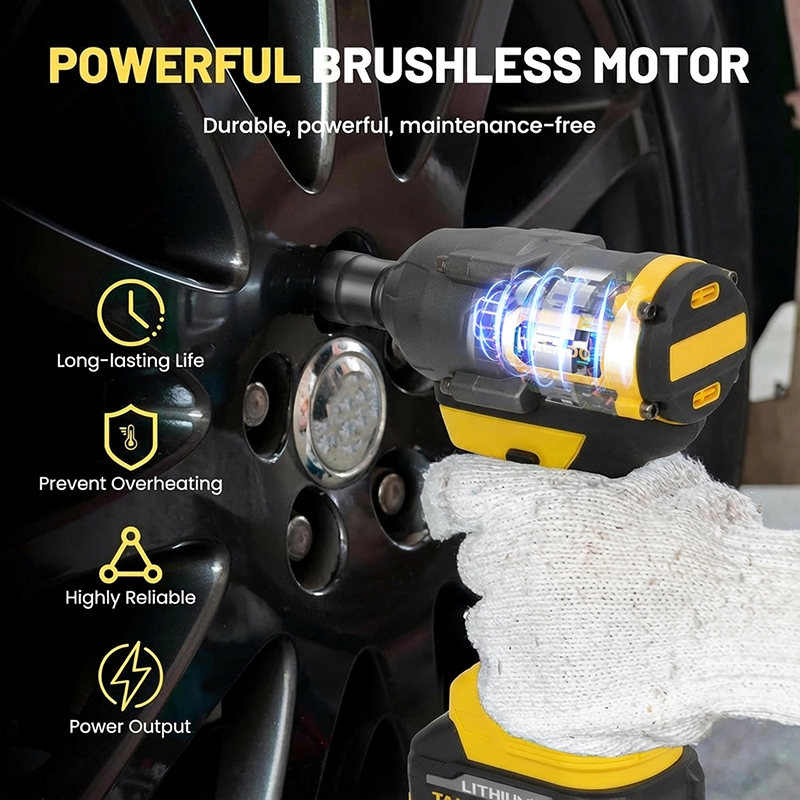
Powered by rechargeable batteries, cordless tools eliminate the need for a constant connection to an electrical outlet or air compressor. This gives mechanics greater freedom of movement while reducing setup time and making many routine automotive tasks easier to perform.
From removing fasteners to maintaining tires and carrying out general vehicle maintenance, cordless car maintenance tools can improve workflow efficiency in several practical ways.
Faster Setup and Operation
One of the most noticeable advantages of cordless automotive tools is their simple setup.
Traditional corded tools require access to an electrical outlet, while pneumatic tools typically need an air compressor, hoses, and appropriate connections. These additional components can take time to arrange before a repair job begins.
A cordless automotive tool can generally be picked up, fitted with the appropriate accessory, and used immediately as long as its battery is sufficiently charged.
This can be particularly useful when a mechanic needs to move between different areas of a vehicle. Instead of stopping to reposition a power cable or air hose, the technician can continue working with fewer interruptions.
For routine maintenance jobs where time matters, reducing preparation and repositioning time can contribute to a more efficient workflow.
Greater Freedom of Movement
Automotive repair often involves working around different parts of a vehicle. Mechanics may need to move between the engine compartment, wheels, underbody, interior, and other areas.
Cables and air hoses can restrict movement or become obstacles in a busy workshop. Cordless automotive power tools remove this limitation by providing power through a rechargeable battery system.
This mobility can make tasks more convenient, especially when working in:
- Vehicle repair shops
- Home garages
- Parking areas
- Mobile repair services
- Automotive maintenance facilities
- Outdoor service environments
The ability to work without a fixed power source also makes cordless tools suitable for mobile applications where electrical infrastructure may not be readily available.
Efficient Fastener Removal and Installation
Fasteners are involved in many automotive repair procedures. Removing and reinstalling bolts, nuts, and screws manually can be time-consuming, particularly when a vehicle requires repeated fastening operations.
Depending on the specific tool design, cordless automotive power tools can help accelerate these repetitive tasks.
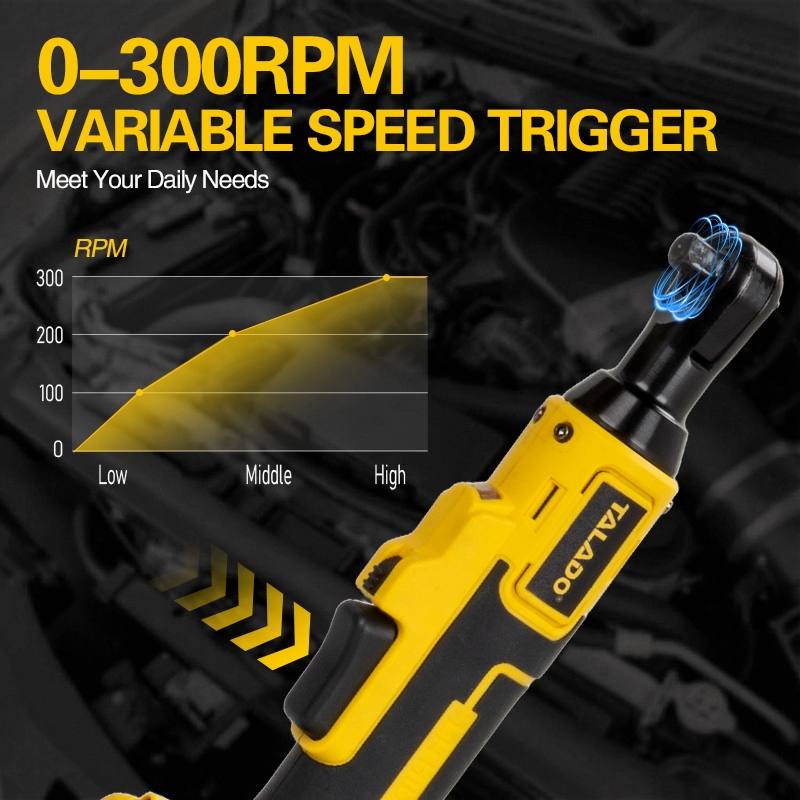
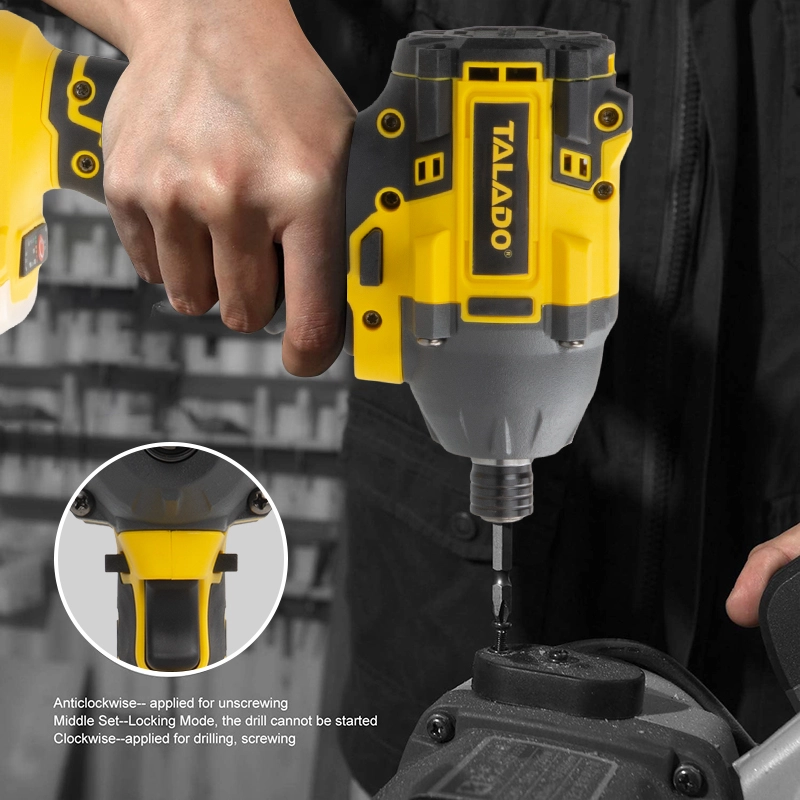
For example, cordless tools designed for fastening applications can provide powered assistance for suitable automotive maintenance and repair work. Their cordless design also allows mechanics to work without managing a power cable or pneumatic hose.
By reducing the amount of manual effort required for repetitive fastening, these tools allow mechanics to spend more time on inspection, adjustment, and other important parts of the repair process.
Improved Productivity for Repetitive Maintenance Tasks
Automotive maintenance frequently involves repetitive operations. A professional mechanic may perform similar procedures on multiple vehicles throughout the day.
Repeated manual work can consume significant time and physical energy. Cordless automotive tools provide powered assistance that can make these operations more consistent and less labor-intensive.
For example, depending on the specific tool and application, cordless equipment can assist with:
- Fastener removal
- Fastener installation
- Tire maintenance
- General mechanical maintenance
- Cleaning and detailing tasks
- Other routine vehicle service operations
When these tasks are performed repeatedly, even small time savings per operation can accumulate over an entire workday.
Easier Access to Hard-to-Reach Areas
Automotive components are not always positioned in convenient locations. Some bolts, connectors, and mechanical components are located in narrow or confined spaces.
The compact design of many cordless tools can make them easier to position in areas where larger equipment is inconvenient.
Cordless tools with compact designs can be useful when working around engine components, brackets, suspension parts, and other areas with limited clearance.
The absence of a power cable or pneumatic hose can further reduce interference when positioning the tool.
However, tool size, head design, power output, and battery configuration should always be considered based on the specific application.
Reduced Dependence on Workshop Infrastructure
Cordless automotive tools can also improve efficiency by reducing dependence on fixed workshop infrastructure.
Pneumatic equipment requires a suitable air compressor system, while corded electric tools require convenient access to electrical outlets. In contrast, battery-powered tools can operate independently once their batteries are charged.
This can be especially beneficial for mobile mechanics and service technicians.
A technician working outside a conventional workshop may not have access to compressed air or convenient electrical power. A cordless tool kit can provide a practical alternative for many maintenance and repair operations.
For mobile automotive service providers, this flexibility can make it easier to respond to customers at different locations.
Better Organization in the Workshop
A busy automotive workshop often contains numerous tools, cables, hoses, and accessories. Keeping these items organized is important for maintaining an efficient working environment.
Cordless tools can help reduce the number of cables and air hoses required for certain applications. With fewer connections running across the workspace, mechanics may have a clearer working area.
A well-organized cordless automotive tool set can also make frequently used equipment easier to transport between workstations.
When each tool has a designated battery, accessory, and storage location, technicians can spend less time searching for equipment and more time completing maintenance work.
Improved Convenience for Mobile Mechanics
Mobile automotive services are one of the areas where cordless tools can offer particularly strong practical benefits.
A mobile mechanic needs to transport equipment while keeping the tool kit compact and functional. Carrying a complete pneumatic system is not always convenient, especially when repairs are performed at a customer's home, workplace, or roadside location.
Cordless car maintenance tools can simplify transportation because the tools do not require a separate compressed-air system.
A mobile tool kit may include different battery-powered devices for common maintenance tasks, allowing technicians to select the appropriate tool without carrying extensive supporting equipment.
This can improve both mobility and operational flexibility.
Supporting More Consistent Workflows
Efficiency is not only about completing a task quickly. A well-designed workflow should also reduce unnecessary interruptions and make work more predictable.
Cordless automotive tools can contribute to this by providing readily accessible power for frequently performed operations.
For example, where multiple compatible cordless tools share a battery system, technicians may be able to organize batteries and tools around a consistent workflow. This depends on the specific tool series and battery design.
A properly planned system can make it easier to move from one task to another without repeatedly setting up different equipment.
Battery Performance Matters
The efficiency of cordless automotive tools depends heavily on battery performance.
Battery capacity, charging time, runtime, and battery management can all affect how effectively a cordless tool fits into a maintenance workflow.
For professional use, it is often useful to have multiple compatible batteries available. While one battery is being used, another can be charging so that the workflow can continue with minimal interruption.
Tool users should also consider the relationship between battery capacity and tool weight. A larger battery may provide longer operating time, but it can also increase the overall weight of the tool.
Choosing an appropriate battery configuration therefore depends on the application, expected workload, and required mobility.
Choosing the Right Cordless Automotive Tools
Not every cordless tool is designed for every automotive application. Selecting the right equipment requires consideration of the specific maintenance tasks involved.
Important factors include:
Torque and Power
Tools used for demanding fastening applications need appropriate torque and power output. Selecting a tool based only on its appearance or battery capacity may result in poor performance.
Tool Size
Compact tools are often useful in confined spaces, while larger tools may provide greater power for demanding applications.
Battery Runtime
For intensive workshop use, sufficient battery runtime can reduce interruptions caused by frequent charging.
Ergonomics
Weight, grip design, balance, and operating comfort can influence productivity when a tool is used repeatedly throughout the day.
Durability
Professional automotive environments can be demanding. Tools should be selected according to the expected workload and operating conditions.
Accessories
Compatible sockets, bits, adapters, brushes, or other accessories can expand the practical applications of a cordless tool.
Cordless Automotive Tools for Different Maintenance Tasks
Different maintenance jobs require different types of tools. Building a practical cordless tool collection should therefore start with the tasks performed most frequently.
For fastening and mechanical service, suitable cordless power tools can provide powered assistance for appropriate applications.
For work in confined mechanical areas, compact cordless tools can provide greater flexibility.
For other vehicle maintenance tasks, the appropriate cordless equipment can help reduce manual effort and simplify routine operations.
The right combination depends on whether the tools are intended for professional repair, routine maintenance, mobile service, or DIY automotive work.
Improving Workshop Efficiency with a Cordless Tool System
Using individual cordless tools can already improve convenience, but a coordinated tool system can provide additional benefits.
A workshop can organize its cordless automotive tools according to common service procedures. Frequently used tools can be kept together, while spare batteries and chargers can be placed in accessible charging stations.
Where compatible cordless tools use the same battery platform, a workshop may also be able to simplify battery management. This depends on the specific products and battery system.
This approach can make equipment management more straightforward while supporting a more organized workflow.
Balancing Speed, Control, and Safety
Although cordless tools can improve maintenance efficiency, speed should not come at the expense of control or proper procedures.
Automotive fasteners, electrical components, wheels, and mechanical systems often have specific service requirements. A power tool should be used according to its intended application and manufacturer instructions.
For critical fasteners, the final tightening procedure may require a suitable torque-controlled tool or manual verification according to the vehicle manufacturer's specifications.
Technicians should also use appropriate personal protective equipment and inspect batteries, chargers, sockets, and tools regularly.
Efficient automotive maintenance means completing work productively while maintaining appropriate quality and safety standards.
The Role of Cordless Tools in Modern Automotive Maintenance
The automotive service industry increasingly values equipment that combines portability, productivity, and flexibility. Cordless technology fits these requirements by providing powered operation without requiring a permanent connection to electricity or compressed air.
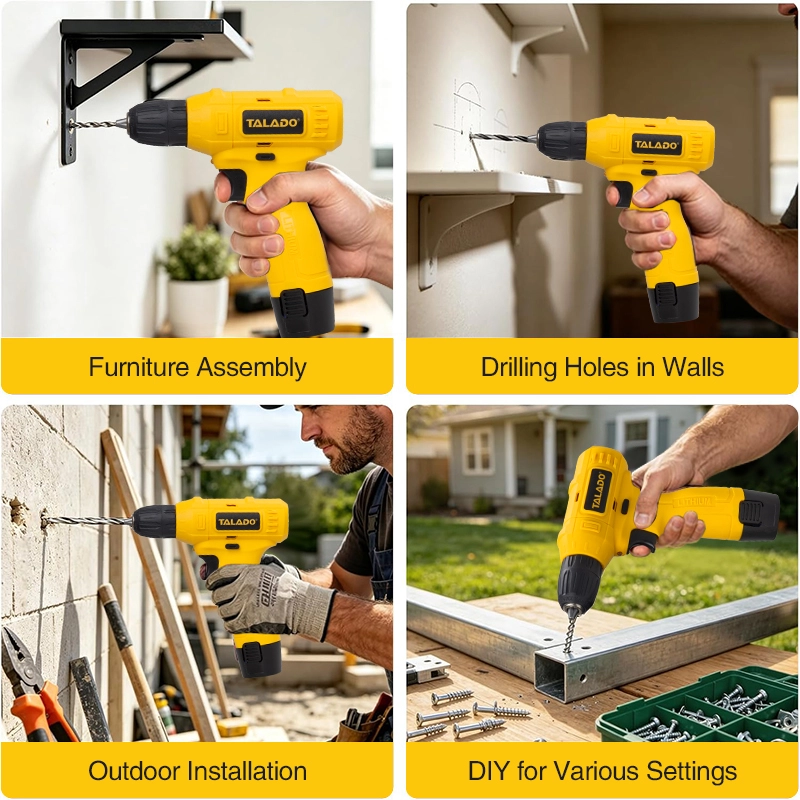
For professional mechanics, cordless automotive tools can help streamline repetitive tasks and improve movement around vehicles. For mobile technicians, they can reduce the amount of supporting equipment required. For DIY users, they can provide convenient power for routine maintenance and garage projects.
As battery technology and cordless tool design continue to develop, these tools are likely to become an increasingly practical part of modern automotive maintenance.