Essential Safety Tips for Using a Type C Household Power Drill
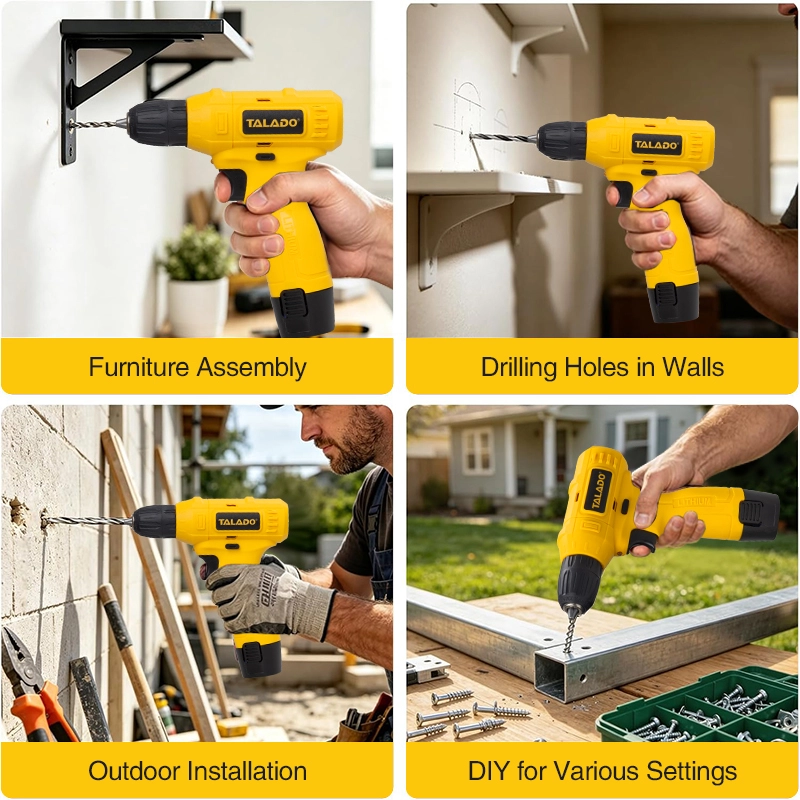
A household power drill is a useful tool for furniture assembly, home repairs, and everyday DIY projects. However, improper handling, unsuitable drill bits, and incorrect operating practices can increase the risk of injury or damage to the workpiece. Choosing a suitable drill and following basic safety procedures are essential for safe and efficient operation.
For homeowners and DIY enthusiasts, the 8V Mini Cordless Drill from Nantong Meile Precision Machinery Co., Ltd. offers a compact solution for common household drilling and fastening tasks. Understanding how to prepare, operate, and maintain a cordless drill can help users get better results while minimizing avoidable risks.
1. Inspect the Drill Before Use
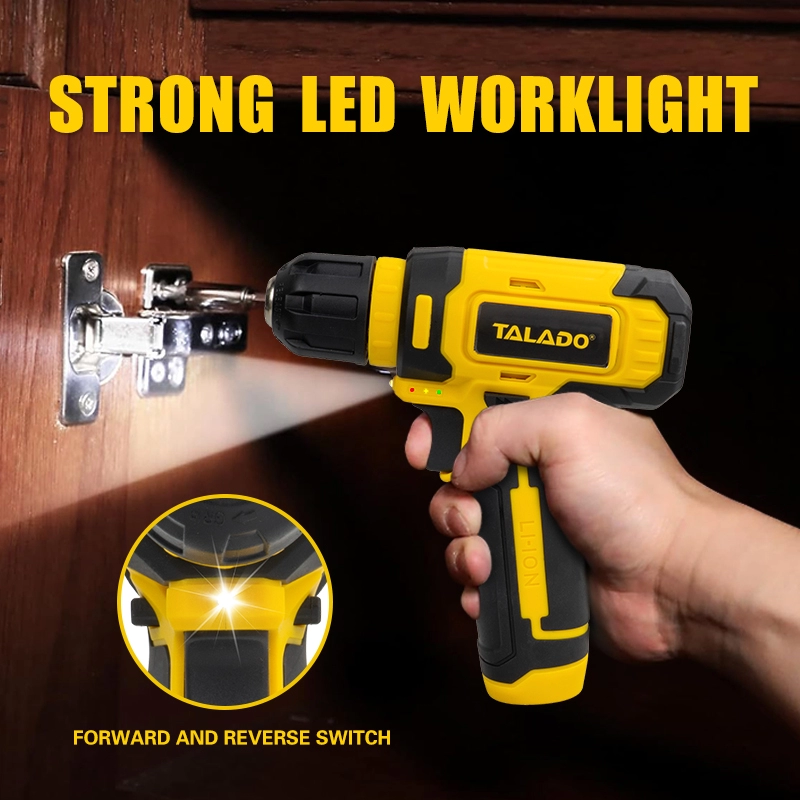
Before starting any drilling task, inspect the tool to ensure that it is in suitable working condition. Check the drill body, chuck, battery, charging connection, and accessories for visible damage or abnormal wear.
Make sure the drill bit or screwdriver bit is appropriate for the intended task and securely installed in the chuck. A loose or damaged bit may slip during operation and cause injury or damage the workpiece.
For a USB Type-C rechargeable household power drill, inspect the charging cable and port for damage. Use the charging equipment recommended by the manufacturer, and follow the product instructions regarding charging and operation.
If the tool shows signs of electrical damage, overheating, or abnormal operation, stop using it until the problem has been resolved.
2. Wear Appropriate Personal Protective Equipment
Personal protective equipment helps reduce the risk of common drilling hazards. Safety glasses are particularly important because drilling can produce flying particles, dust, and small fragments.
Depending on the material and working environment, additional protection may be necessary. A suitable dust mask or respirator can help reduce exposure to airborne particles when working with materials that generate hazardous dust. Follow the relevant safety guidance for the material being drilled.
Avoid loose clothing, jewelry, or anything that could become caught in rotating components. Keep long hair secured and maintain a stable stance while operating the tool.
Work in a well-lit, adequately ventilated area, and keep children and bystanders away from the drilling zone.
3. Choose the Right Drill Bit for the Material
Different materials require different drill bits and operating techniques. Using the wrong bit can reduce drilling efficiency, damage the workpiece, or place unnecessary strain on the drill.
Consider these basic guidelines:
Wood: Use a suitable wood drill bit and secure the workpiece before drilling.
Plastic: Select a bit designed for plastic and use controlled pressure to reduce the risk of cracking or melting.
Metal: Use an appropriate metal drill bit and confirm that the material thickness and hole size are within the drill's capabilities.
Screw fastening: Use a screwdriver bit that matches the screw head to reduce slipping and stripping.
The Meile 8V Mini Cordless Drill has a 10 mm chuck and a stated maximum drilling capacity of 6 mm in steel and 10 mm in wood. These specifications help users determine whether the tool is suitable for a particular drilling task.
Always check the product instructions and select the appropriate accessory before use. Do not use a household drill for applications beyond its rated capabilities.
4. Secure the Workpiece Before Drilling
A stable workpiece is essential for controlled drilling. If the material moves unexpectedly, the drill bit may slip, damage the surface, or cause the operator to lose control.
Whenever possible, secure the workpiece with an appropriate clamp or fixture rather than holding it by hand. Keep the drilling area clear of unnecessary objects and ensure that the drill bit has a safe path through the material.
Before drilling into walls, ceilings, or fixed structures, check for concealed electrical wiring, water pipes, gas lines, and other hidden services. Use an appropriate detector where necessary. If the location of hidden services is uncertain, do not proceed until it has been verified.
Choose a drill suitable for the material and application. The Meile 8V Mini Cordless Drill is positioned for household repairs and light DIY tasks; do not assume that it is suitable for concrete, masonry, or other demanding drilling applications without confirmation from the manufacturer.
5. Use the Correct Torque Setting
Torque control is particularly important when fastening screws into wood, plastic, and other household materials. Excessive torque can strip screw heads, damage threads, split wood, or deform softer materials.
The Meile 8V Mini Cordless Drill features an adjustable torque range of 10–15 N·m according to its product specifications. This feature allows users to adjust the torque according to different fastening requirements.
Start with a lower torque setting when working with delicate materials or small screws, then increase it gradually if necessary. Test the setting on a spare piece of material whenever possible.
For drilling tasks, follow the manufacturer's instructions regarding the appropriate operating mode and settings. Avoid applying excessive force to compensate for a dull bit or an unsuitable tool.
6. Maintain a Firm Grip and Controlled Operation
A cordless drill should be operated with a firm, stable grip. Position yourself so that you can maintain balance and control throughout the task.
Allow the drill bit to perform the work rather than forcing the tool into the material. Excessive pressure can cause the bit to bind, overheat, or break. If the bit becomes stuck, release the trigger and follow the manufacturer's instructions before attempting to clear the obstruction.
Keep your hands away from the rotating bit and chuck. Never attempt to adjust the bit or remove debris while the drill is running.
When driving screws, apply steady pressure and keep the screwdriver bit aligned with the screw head. Correct alignment helps prevent slipping and improves fastening quality.
7. Follow Safe USB Type-C Charging Practices
Charging safety is another important consideration for rechargeable household power drills. The Meile product is advertised with Type-C fast charging, providing a convenient charging interface for everyday use.
However, a USB Type-C connector does not automatically guarantee compatibility with every charger or fast-charging protocol. Follow the manufacturer's charging requirements rather than assuming that any USB-C adapter will be suitable.
For safe charging:
Use a charging adapter and cable that meet the drill manufacturer's requirements.
Check the charging port and cable for visible damage before connecting them.
Charge the drill in a dry, well-ventilated location away from excessive heat.
Avoid charging the battery near flammable materials or in environments outside the permitted temperature range.
Follow the manufacturer's instructions regarding whether the tool can be operated while charging.
Follow the recommended charging and storage procedures when the tool is not in use.
If the battery becomes unusually hot, swollen, damaged, or emits an unusual odor, stop charging and follow the manufacturer's battery safety guidance. Do not open or attempt to repair a lithium battery yourself.
8. Store the Drill and Accessories Properly
Proper storage helps maintain tool condition and reduces the risk of accidental injury. After completing a task, release the trigger and switch off the tool. Follow the manufacturer's instructions before changing accessories, cleaning the drill, or preparing it for storage.
Clean dust and debris from the tool using the method specified by the manufacturer. Store drill bits, screwdriver bits, and other accessories in an organized container to prevent damage and make them easier to locate.
Keep the drill in a cool, dry place away from direct sunlight, excessive moisture, and extreme temperatures. Follow the manufacturer's recommendations for battery storage during extended periods of non-use.
Regularly inspect the tool for worn components, loose parts, or changes in performance. Timely maintenance can help identify potential problems before they affect operation.
9. Why Choose the Meile 8V Mini Cordless Drill for Household Tasks?
Selecting a drill that matches the intended workload is an important part of safe operation. A tool that is unsuitable for a particular task may be difficult to control, while an underpowered drill may struggle with demanding materials.
The 8V Mini Cordless Drill from Nantong Meile Precision Machinery Co., Ltd. is designed for compact, everyday drilling and fastening applications. Its listed specifications include:
Rated voltage: 8V
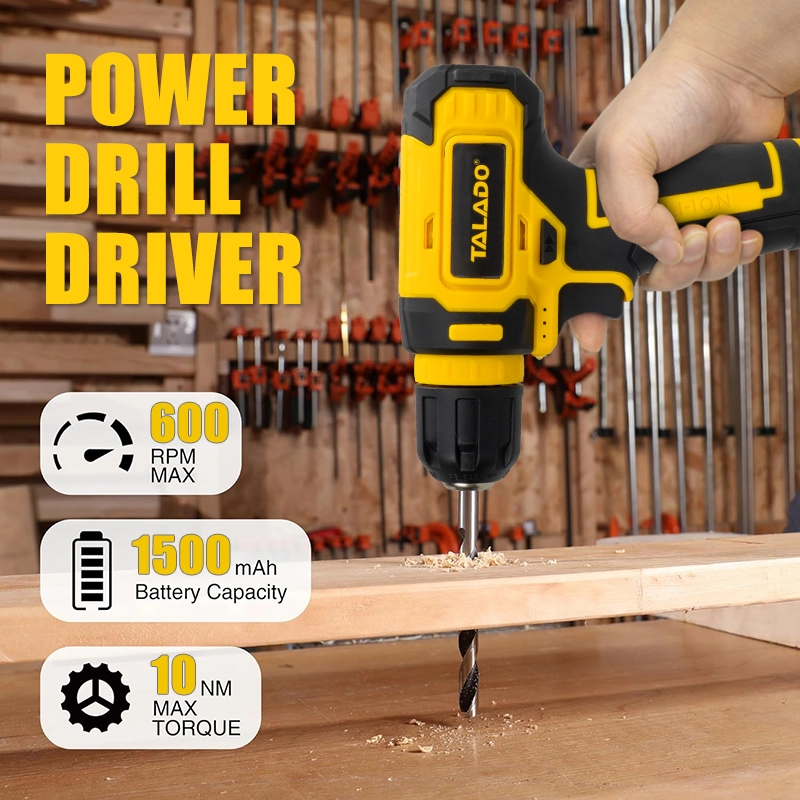
Adjustable no-load speed: 0–600 RPM
Battery capacity: 1500 mAh lithium battery
Chuck size: 10 mm
Adjustable torque: 10–15 N·m
Maximum drilling capacity: 6 mm in steel and 10 mm in wood
These specifications help buyers assess whether the drill is appropriate for their intended household projects. Actual performance depends on the material, bit selection, operating conditions, and task requirements.
Before purchasing, review the complete product specifications, charging requirements, and user instructions to ensure that the drill matches your needs.
Explore the Meile 8V Mini Cordless Drill for more product details.